
Training and Consultancy

We offer generic and unique training and consultancy packages for anyone who’s interested in improving their knowledge around women and mental health.
We’ve given training in prisons and hospitals to help staff understand women’s lives, confront power dynamics, and give them the confidence to work with women in a more equitable way. Our specialism in gender-specific and trauma-informed work, and the fact we’re led by women, give us a unique insight that your team can learn from.
We’ve also given talks to companies who want to better understand mental health, working with academic publishers, charities, production companies, and many more.

One-day Gender Training
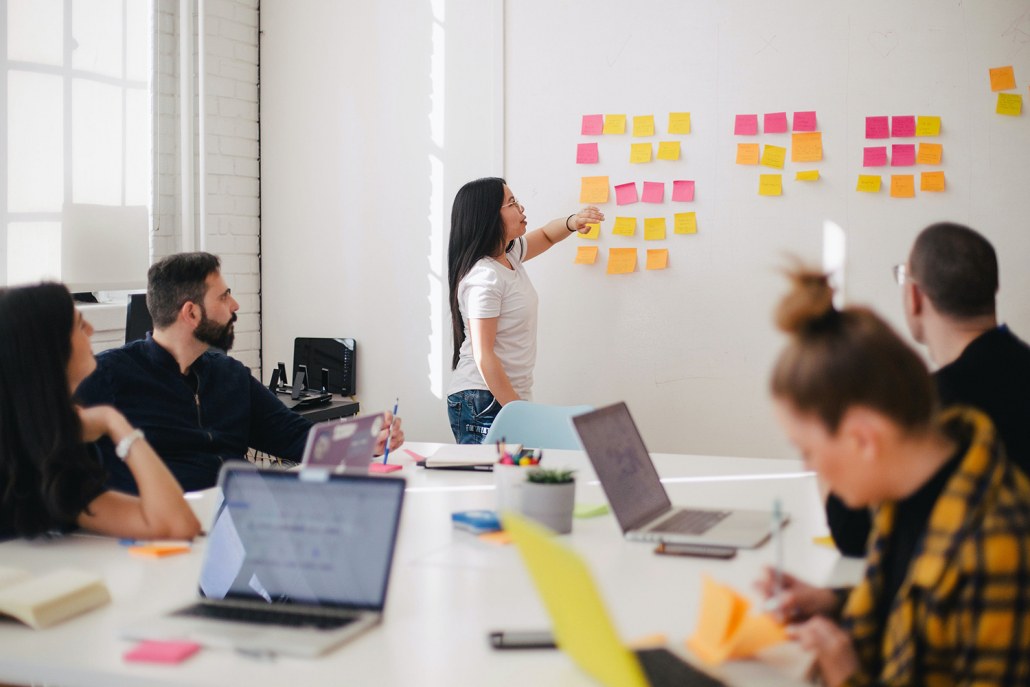
The aim of this one-day training seminar is to support participants to gain a greater understanding of gender issues and how they impact the mental health of women across the spectrum of services from security to community. WISH trainers deliver the training seminar at forensic units to multidisciplinary teams of up to 16 staff from any discipline. The training can be adapted to work with staff teams working with women in a range of environments.
The WISH one-day gender training is ideal for organisations seeking to support staff to better understand the women they work with and embrace trauma-informed approaches. The format is interactive and experiential. Topics covered include an introduction to the concept of gender and its interplay with mental health, childhood abuse, and self-injury.
If you want to know more about our one-day training, get in touch with the form below.
Informed workforce
Into the Mainstream, document from the Department of Health, states:
An aware, informed and competent workforce is essential if gender-specific services are to be provided. An understanding of the following issues is therefore necessary for all staff involved in planning, delivering, and evaluating services – policy makers, clinicians, managers, and researchers:
1. The economic and social context of women and men’s lives;
2. The interplay between gender and other inequality issues such as race, culture, ethnicity, and age;
3. Differences in the prevalence of risk and protective factors for mental health between women and men;
4. Differences between women and men in presentation and pathways into services and differences in treatment needs and responses;
5. The relationship between gender and power inequalities and how this may affect individual patients, staff, and the organisations in which they work or are cared for.


Get in touch
Fill in the form below and let us know how we can help with the training or consultancy.